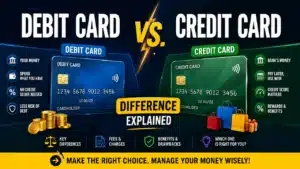
One of the most popular ways to buy things is by using debit and credit cards.
They look like and can be used for shopping, online payments, bill payments etc. But they are not the same. The only difference between the two is the source of the money. Normally you can get to the money in your bank account with a debit card. A credit card is a means of borrowing money from the card issuer and repaying it.
What’s a debit card?
A debit card is connected to your bank account. When you buy something, the money is normally deducted from your available balance. If you have $10,000 and you spend $2,000 on your debit card, your available balance should normally be $8,000.
Shop, shop online, withdraw cash from ATMs and pay your bills using your debit card.
Credit Card meaning .
A credit card is a device to borrow money from a bank or other financial institution up to an agreed limit of credit You can use the credit on eligible purchases and pay it off.
Typically, you can avoid interest charges on purchases by paying your statement balance in full (by the due date) each month. If you have a balance, interest and other charges may apply.
Credit Card or Debit Card
The only question is where the money is coming from. A debit card is typically linked to your own money, while a credit card is linked to money you borrow.
If you use a debit card you can only spend what you have in your account, plus any limits the card issuer may place on the card. Credit cards have a limit on how much you can spend.
Most debit cards don’t provide you with a monthly credit statement. You get a statement from them monthly basis and pay them back as per the statement.
Another significant difference between credit cards and debit cards is the way they impact your credit history. It isn’t much use for day-to-day shopping, because a debit card generally won’t help you build up a credit history. Credit cards can help you build or maintain credit history , if used responsibly , depending on the issuer and the information they report . Benefits of Debit Cards It is a big plus to control spending. Since you’re generally using money you already have in your bank account, it’s easier to stick to a budget.
Debit cards are great for spending and withdrawing cash from cash machines.
Drawbacks of Debit Cards
Debit cards draw money directly from your bank account. And they’re also less likely to give you a chance to build a credit history.
Benefits of Credit Cards
Credit card and flexible payment options. Many also give cash back, points, discounts or travel bonuses.
Using credit cards responsibly can help you build or maintain a credit history.
Drawbacks of Credit Cards
The biggest risk is to overspend. The money does not leave your bank account immediately. “It’s easy to underestimate what you can afford to pay back.”
Applying for a credit card means you agree to pay back any money you borrow. otherwise you could end up paying higher interest and other costs on your purchases Cards also may have annual fees, late fees, cash advance fees or other fees.
What card is best for you?
If you want to spend money you already have in your account and want more control over your spending, then a debit card may be a better choice.
A credit card can be a good option for you if you are looking for rewards, cashback, flexibility of payments or credit building opportunities and you can make repayments responsibly.
It is contingent upon your ability to repay and your spending habits. Whatever is best for you.
& Safety Instructions
Do not share your PIN, OTP, CVV or any of the banking passwords with anyone. Use official websites and apps of the bank. Switch on transaction alerts and regularly check your transactions. If you spot any unauthorized transactions, get in touch with your bank straight away.
Debit cards, in general, don’t help you build a credit history the way a credit card used responsibly does.
Yes, both cards are usable.
Yup. Use a debit card to buy most things.
If you have enough money in your account, use your debit card for those expenses and use a credit card for the rest that makes sense. ### Is There Free Money On Credit Cards?
No. A credit card is borrowed credit, which you have to pay back. Any unpaid balance will be subject to interest and other charges.
Can I withdraw cash with my credit card?
Some credit cards also offer cash advances. Cash advances may be subject to fees and interest. First, be sure to review the terms of your card.
The difference is simple: a debit card generally uses your money, while a credit card uses someone else’s money, which you will pay back later.
For your everyday purchases and price, debit cards are a great choice. Credit cards can be a helpful way to establish credit, offer flexibility and rewards, but you’ll need to pay them back.
Compare fees, limits, benefits, security features and repayment terms before you choose a card.
Pick the one that fits your financial needs and that you can handle.
Disclaimer: This article is for educational purposes only. Some cards have different features, fees, interest rates,eligibility,y and terms. Cards and other financial institutions offer cards. Please refer to the relevant issuer for the latest terms before making any financialdecisions.
